
Key Takeaways
- The Gap and Natural Bridge in Torndirrup National Park offer some of the most spectacular coastal scenery in Australia, located just 20km from Albany’s town centre
- Whale watching season runs June to October, with tour prices starting from $98 per person for close encounters with southern right and humpback whales
- Misery Beach was named Australia’s Best Beach in 2022, featuring 200 metres of pristine white sand within Torndirrup National Park
- Albany Heritage Park houses the National Anzac Centre, marking the departure point of the first ANZAC convoy in 1914, with entry from $18-$25 per adult
- Stirling Range National Park boasts over 1,500 plant species, including Bluff Knoll at 1,059 metres – Western Australia’s highest peak east of the Darling Range
Where Can You Experience Albany's Most Dramatic Coastal Scenery?
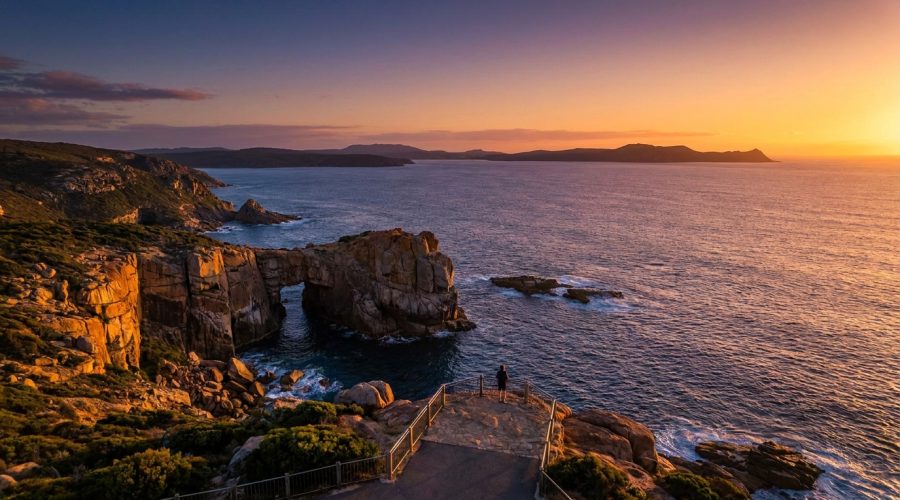
Torndirrup National Park delivers some of the most breathtaking coastal experiences in Western Australia, with The Gap standing as the crown jewel of Albany’s natural attractions. This massive sea gap, carved by millions of years of Southern Ocean swells, creates a dramatic spectacle where waves crash violently through a narrow rock cleft with thunderous force.
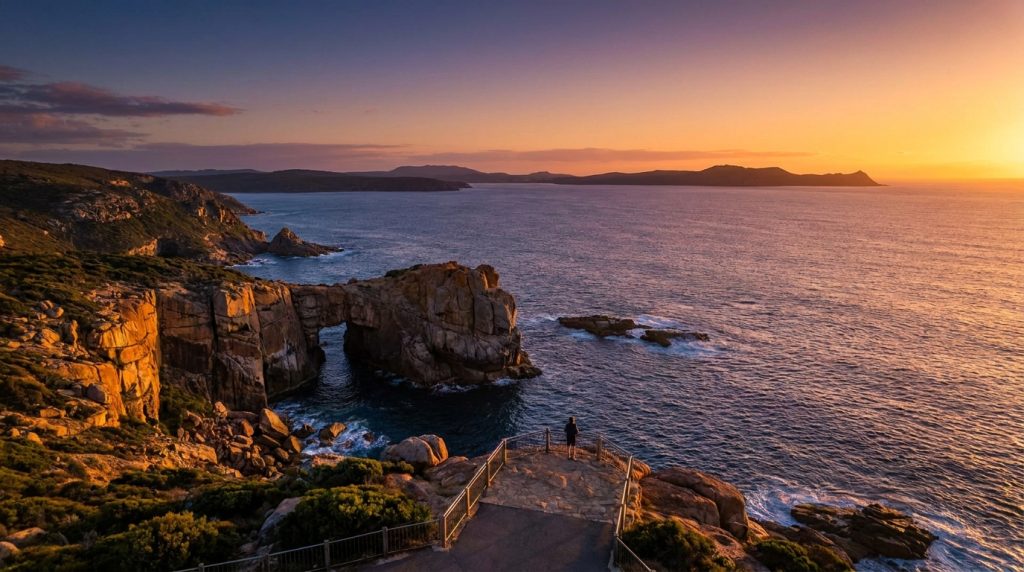
The Natural Bridge, located nearby, showcases nature’s architectural prowess through a stunning rock arch formation that frames the turbulent waters below. These iconic granite headlands within the park’s 8,000+ hectares offer visitors an authentic edge-of-the-world experience that captures the raw power of Australia’s southern coastline.
Pro tip: Visit The Gap during calm weather in the morning hours to avoid crowds and capture the best photography lighting. The viewing platforms provide safe vantage points, but the real magic happens when you witness the Southern Ocean’s power during moderate swells – just remember to maintain a respectful distance from the cliff edges.
Essential Viewing Points in Torndirrup National Park
Sharp Point Lookout provides panoramic views across King George Sound, whilst Bald Head Trail offers elevated perspectives perfect for whale spotting during migration seasons. The park’s granite headlands have been sculpted over millennia, creating unique formations that photographers and nature lovers find irresistible.
A Parks Pass is required for entry (approximately $15 per adult), which also covers access to Stirling Range, Porongurup, and Two Peoples Bay Nature Reserve. The park operates from dawn to dusk daily, with guided tours available from $93 per person for those seeking expert interpretation of the geological and ecological significance.
What Are the Best Beaches for Swimming and Relaxation?
Middleton Beach claims the title as Albany’s most beloved swimming destination, featuring calm turquoise waters protected by natural headlands and patrolled swimming areas that ensure family safety. This picturesque beach, located just 5km from Albany’s town centre, combines convenience with natural beauty.
However, Misery Beach within Torndirrup National Park earned recognition as Australia’s Best Beach in 2022, despite its ominous name. This 200-metre stretch of pristine white sand offers a more secluded experience, surrounded by granite boulders and crystal-clear waters that rival any tropical destination.
| Beach | Distance from Town | Best For | Facilities | Entry Cost |
|---|---|---|---|---|
| Middleton Beach | 5km | Swimming, families | Patrolled, BBQs, showers | Free |
| Misery Beach | 20km | Photography, solitude | Basic facilities | Parks Pass (~$15) |
| Frenchman Bay | 25km | Whale watching, surfing | Limited | Parks Pass (~$15) |
| Little Beach | 18km | Sheltered swimming | Picnic areas | Parks Pass (~$15) |
Seasonal Beach Considerations
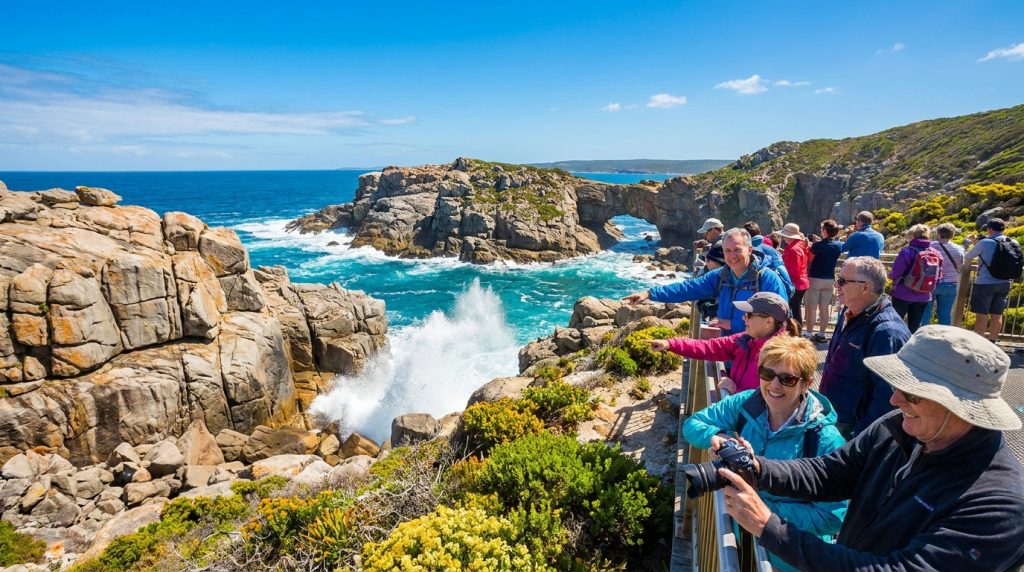
Summer months (December to February) provide the warmest water temperatures and most reliable swimming conditions. During winter, these beaches transform into prime whale-watching vantage points, particularly Frenchman Bay, where southern right whales can be observed from the shoreline between June and October.
Discovering Albany's ANZAC Heritage and Historical Significance
The National Anzac Centre stands as Australia’s most significant tribute to the ANZAC legacy, positioned strategically on Mount Clarence within Albany Heritage Park. This world-class facility marks the exact location where 41,000 Australian and New Zealand troops departed for Gallipoli in 1914, making Albany the last piece of home soil these soldiers experienced.
The centre’s innovative 180-degree projection technology immerses visitors in personal stories of individual soldiers, creating deeply moving experiences that honour their sacrifice. Interactive exhibits feature authentic artifacts, letters, and multimedia presentations that bring this pivotal moment in Australian history to life.
Exploring Albany Heritage Park
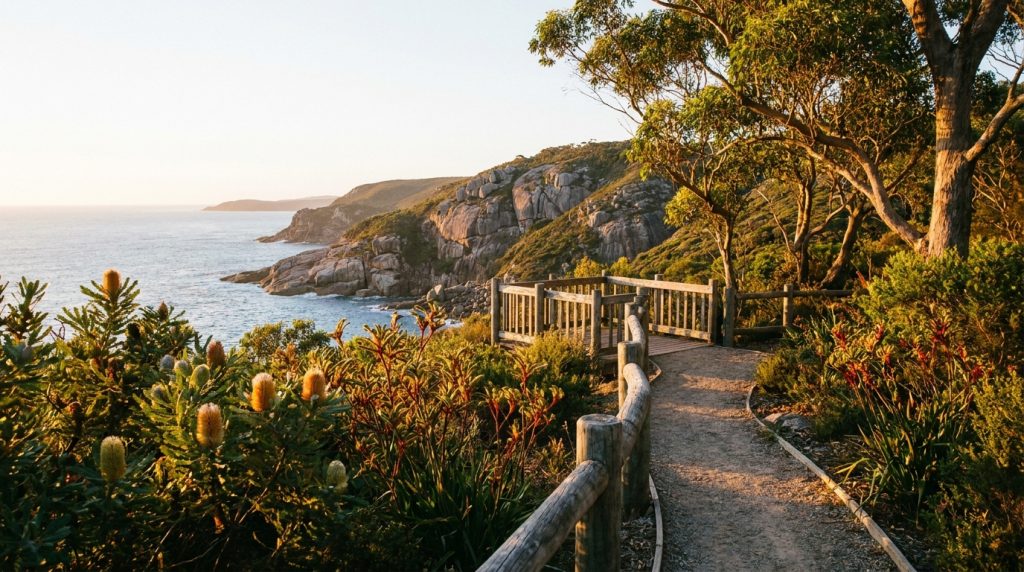
Beyond the National Anzac Centre, the heritage park encompasses several significant sites including the Convict Lookout, Apex Lookout, and the moving Avenue of Honour. These elevated positions provide sweeping views across Princess Royal Harbour, the same waters that witnessed the departure of the first ANZAC convoy.
Entry fees range from $18-$25 per adult, with children receiving free or discounted admission. The centre operates daily from 9am to 5pm, and is located approximately 3km from Albany’s town centre. After booking your stay at Mandala Ace Albany, the heritage park makes an essential first stop to understand the region’s profound historical significance.
What Are the Best Opportunities for Wildlife Encounters?
Whale watching season transforms Albany into one of Australia’s premier marine wildlife destinations, with peak viewing occurring between June and October. The protected waters of King George Sound and Frenchman Bay host both southern right whales and humpback whales, offering visitors magical encounters with these gentle giants in their natural environment.
The irony isn’t lost that these magnificent creatures now play freely in the same waters where they were once hunted – Albany’s Historic Whaling Station operated until 1978, and now serves as a museum documenting this transition from exploitation to conservation.
Pro tip: Book whale watching tours well in advance during peak season, as Albany’s reputation for close whale encounters draws visitors from across Australia. Albany’s Whale Story offers comprehensive tours from $98 per person, whilst land-based viewing from Bald Head Trail and The Gap provides free alternatives for patient observers.

Land-Based Wildlife Spotting
Two Peoples Bay Nature Reserve protects endangered species including the noisy scrub-bird and the western bristlebird. The reserve’s diverse ecosystems support over 200 bird species, making it a haven for birdwatchers and nature photographers.
Stirling Range National Park, located 40km north of Albany, showcases incredible biodiversity with over 1,500 plant species – many found nowhere else on Earth. Spring wildflower displays (September to November) attract botanists and photographers seeking rare orchids and endemic flowering plants.
Adventure Activities and Outdoor Pursuits
Bluff Knoll, Western Australia’s highest peak east of the Darling Range at 1,059 metres, offers challenging hiking within Stirling Range National Park. The 6km return trek typically requires 3-4 hours and rewards hikers with panoramic views extending to the Southern Ocean on clear days.
The park’s jagged granite peaks create a dramatic skyline that contrasts sharply with the surrounding agricultural landscape. World-class wildflower displays peak between September and November, when the ranges explode with colour from rare endemic species found nowhere else globally.
Coastal Walking and Hiking Trails
Bald Head Trail provides accessible coastal walking with excellent whale-watching opportunities during migration season. The trail connects multiple viewing points and can be combined with visits to The Gap and Natural Bridge for a comprehensive coastal experience.
Pro tip: Pack layers when hiking in the Stirling Range, as temperatures can vary dramatically with altitude and weather can change rapidly. The granite peaks create their own microclimate, and morning fog is common even on sunny days in the surrounding valleys.
Unique Local Experiences and Hidden Gems
Dog Rock represents one of Albany’s most photographed yet understated attractions – a granite boulder naturally carved to resemble a dog’s head, positioned at the harbour entrance. This quirky landmark symbolises the region’s ancient granite geology and provides an easy roadside photo opportunity just 2km from the town centre.
Albany Wind Farm on Mount Barker Hill holds historical significance as Western Australia’s first commercial wind farm, operational since 2001. The 18 turbines generate clean energy whilst providing visitors insight into renewable energy development, combined with scenic ocean views from the elevated position.
Local Food and Beverage Experiences
Albany’s Great Southern wine region produces exceptional cool-climate wines, with local cellar doors offering tastings within easy driving distance. The region’s pristine waters also support sustainable seafood industries, featuring fresh abalone, salmon, and Southern Rock Lobster in local restaurants.
The Historic Whaling Station now operates as both museum and unique event venue, where visitors can dine surrounded by maritime history whilst observing the same waters where whales now thrive under protection.
Frequently Asked Questions
When is the best time to visit Albany for whale watching?
The optimal whale watching season runs from June to October, with peak activity occurring between July and September. Southern right whales and humpback whales migrate through Albany’s protected waters during this period, offering excellent viewing opportunities from both boat tours and land-based vantage points like The Gap and Bald Head Trail.
Do I need a Parks Pass to visit all of Albany's natural attractions?
A Parks Pass (approximately $15 per adult) is required for entry to Torndirrup National Park, Stirling Range National Park, Porongurup National Park, and Two Peoples Bay Nature Reserve. The pass provides access to multiple parks and represents excellent value for visitors planning to explore several natural areas during their stay.
How far in advance should I book whale watching tours?
Book whale watching tours at least 2-4 weeks in advance during peak season (July-September), as Albany’s reputation for close whale encounters creates high demand. Tours operate subject to weather conditions, so flexibility in your itinerary is recommended. Prices start from $98 per person for comprehensive experiences.
Is Bluff Knoll suitable for inexperienced hikers?
The Bluff Knoll hike is rated as moderate to challenging, requiring a reasonable fitness level for the 6km return journey that typically takes 3-4 hours. The trail includes steep sections and rocky terrain, but is well-marked and doesn’t require technical climbing skills. Weather conditions can change rapidly, so proper preparation is essential.
What facilities are available at Middleton Beach?
Middleton Beach offers comprehensive facilities including patrolled swimming areas, public showers, barbecue facilities, picnic tables, and ample parking. The beach is easily accessible and located just 5km from Albany’s town centre, making it ideal for families. Cafes and accommodation options are available within walking distance.